Ideas & advice
How to anchor a dresser to the wall, and why it goes first
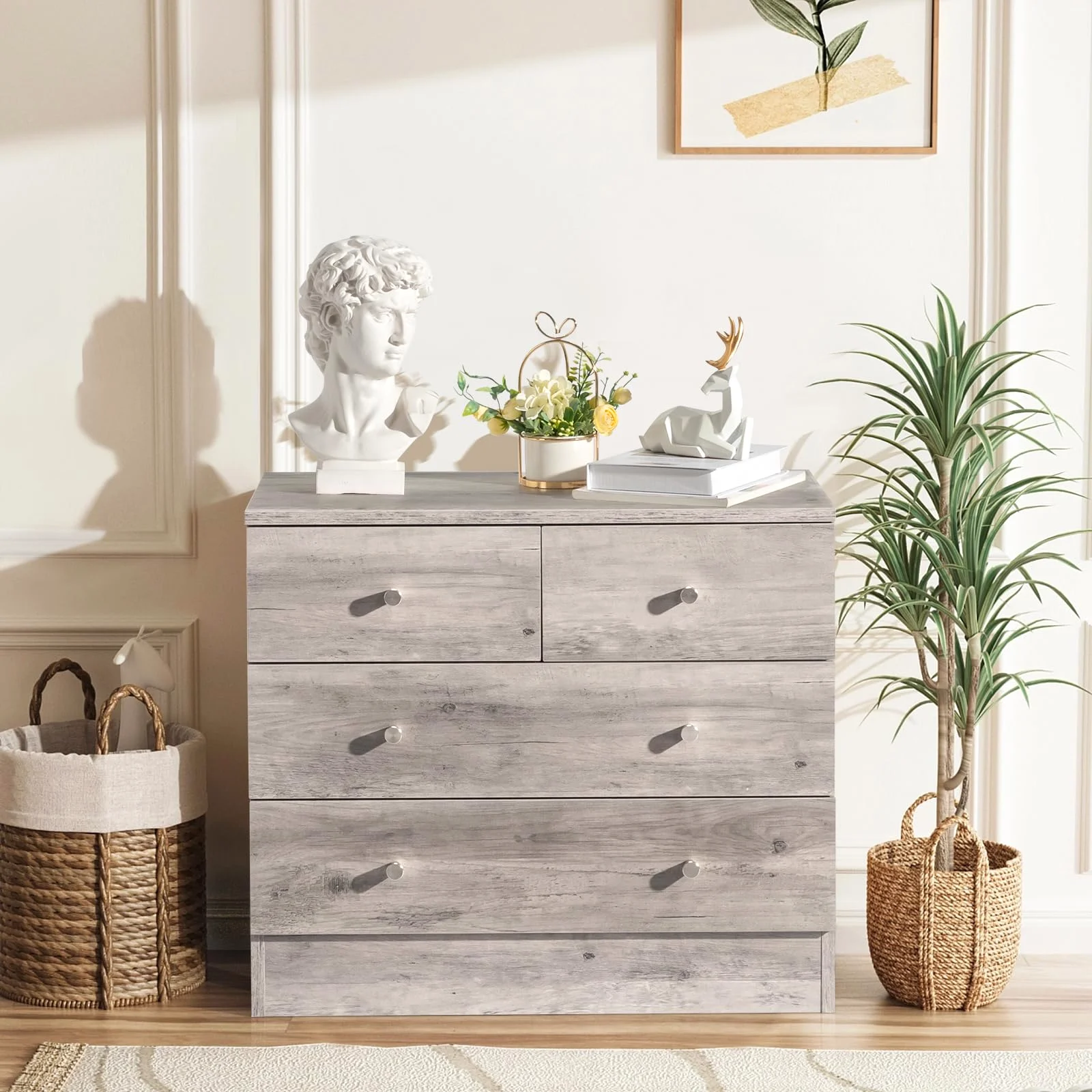
This is general information about securing furniture, not advice for your wall. Follow the instructions and the hardware that come with the piece.
That moment when the dresser is ready
You have built the dresser. Drawers slide cleanly. The cardboard and hardware are stacked out of the way. The anti-tip strap sits in a small plastic bag, tucked into the bottom drawer or still on the parts list. This is the moment to fit it. Waiting until the drawers are full makes the job harder. A dresser that is anchored before you add clothes and toys is safer and easier to align.
We know the strap looks small. It may feel like an optional extra. It is not. Fitting it now, with the drawers empty and light, is the easy version of the job. Later means unloading every drawer first.
If you unpacked a kit with the dresser, keep the instructions close. Many kits are similar. The tools you will need are standard and listed by the U.S. Consumer Product Safety Commission on the Anchor It resource. Read those steps before you begin. A quick scan makes the job faster and avoids surprises.
Why dressers tip

A dresser stands stable when its center of gravity is over its base. Drawers change that. When you pull a drawer out, the weight of the drawer and its contents moves forward. The center of gravity shifts ahead of the front feet. Open several drawers at once and the whole piece leans.
Children make this risk worse. Drawers provide footholds and a ready step ladder, and a child who climbs can move the center of gravity far enough forward to bring the dresser down. That is the exact scenario anchor straps are made to stop.
Even a heavy dresser can tip when the top is loaded. A television or a stack of heavy items raises the center of gravity. Do not place a television on a dresser unless the piece is built to hold one and the TV is secured separately. Preventing tip-overs means reducing forward pull and limiting climbable surfaces. Anchoring fixes the dresser to the wall so that the forward movement cannot become a fall.
What the federal rule covers and what it does not
A federal rule intended to prevent tip-overs took effect on September 1, 2023. It came from a 2022 law called STURDY and is codified at 16 CFR part 1261. The rule targets clothing storage units. Those are free-standing bedroom pieces such as chests, dressers, and armoires that are at least 27 inches tall, weigh at least 30 pounds, and offer at least 3.2 cubic feet of enclosed storage.
The rule does not list every tall piece in the home. Jewelry armoires and bookcases fall outside that specific coverage. That exclusion does not mean they cannot tip. The U.S. Consumer Product Safety Commission runs a public safety campaign called Anchor It. Its guidance is broader than the federal rule and recommends anchoring all furniture with drawers, doors, or shelves that could tip. Anchor It lists the tools and a simple checklist at anchorit.gov.
Many of our dressers include an anti-tip kit in the box, though not every one. If your dresser did not come with one, a basic anchoring kit is a small separate purchase at most hardware stores. The requirement and the safety guidance exist for the same reason. Secure tall furniture before it becomes a hazard.
Tools and the order of the job
Gather the right tools before you start. The Anchor It page lists a furniture or TV anchoring kit, a drill and drill bit, a screwdriver, and a stud finder. That is a complete, practical list. Lay out the bracket, the strap, screws, and any wall anchors that came with the kit. A helper is useful when you lift the dresser into position.
Step one. Use the stud finder to locate a wall stud along the placement line. Mark it lightly. Step two. With the dresser where you want it, attach the bracket to the back of the dresser following the kit instructions. Do this before you load the drawers. Step three. From the dresser, mark the wall location for the strap. Drill the pilot hole into the stud, or use the wall anchor recommended for your wall type. Step four. Fasten the strap to the wall and to the dresser bracket. Tighten so there is no slack, but do not overtighten the metal or strip the screw.
Finally, test it. Open the top drawer, push lightly on the top edge. The dresser may pivot a hair. It should not tip. If it pulls away from the wall, review your connection and try again. Keep heavy items in the bottom drawers as a further precaution.
When walls are not simple
Not every wall is drywall over studs. Older homes have plaster, some rooms sit on masonry, and baseboards can create gaps between furniture and wall. If you find plaster over lath, take a slower approach. Plaster can crack if you drill too aggressively. Use a drill bit and anchor type appropriate to the material. Brick or concrete walls need masonry anchors and the correct drill bit. Hardware stores can point you to anchors rated for those surfaces.
A baseboard can mean the strap will not reach the stud flush. Some kits include longer screws or brackets that sit higher on the dresser back. Alternatively, move the dresser a hair to align a bracket with a stud closer to the top. If you are renting, ask your landlord before you drill. A small screw hole in a stud is commonly patched with filler when you move out.
If you are unsure, get help. A handyman or a knowledgeable staff member at a hardware store can confirm the right anchor and procedure. Safety is about the right part in the right place, not improvisation. A fitted anchor holds. A misplaced one gives a false sense of security.
Anchoring the rest of the room
A dresser is a common first step. Tall bathroom towers, pantry cabinets, bookcases, and shelving units share the same risk. Anchor It recommends securing any furniture with drawers, doors, or shelves that could tip. Bookcases are not covered by the STURDY rule for clothing storage units, but they can still become hazards, especially when shelves are loaded and children climb.
If you plan to put a television in a bedroom, check the furniture design. Many dressers are not made to carry a TV. Even when the top can take the weight, anchor both the dresser and the television, or mount the television on the wall and keep it off the dresser entirely. Freestanding sets need straps or a table specifically designed for media equipment.
Kitchen and pantry tall cabinets should be secured to wall studs. The same applies to bathroom towers that sit on tile. Shelving units that span wide areas may need multiple anchors. Treat each tall piece as a separate project. A simple strap on each unit is a modest investment in safety.
Make checking the strap a habit
Anchoring is not a one-and-done task. Check the strap whenever you move the dresser or rearrange the room. Inspect connections after heavy use, after a large delivery, or after a child has been playing nearby. A quick visual and a light pull on the top will tell you if the strap is still snug. Tighten loose screws and replace any worn hardware.
Check the anchor once a year as well. Keep the instruction sheet in a labeled envelope with spare screws. If you move the dresser to another wall, assume you need a new anchor location and repeat the fitting steps from the start.
If your lease requires approval for drilling, say that the hole is for an anti-tip strap. When the strap is secure, you can fill the drawers and arrange the room with greater confidence. Keep the habit. It is the simplest way to protect the people who live with your furniture.
The collection is organized by room, and the room size guide collects the measurements in one table.